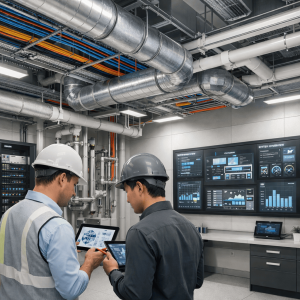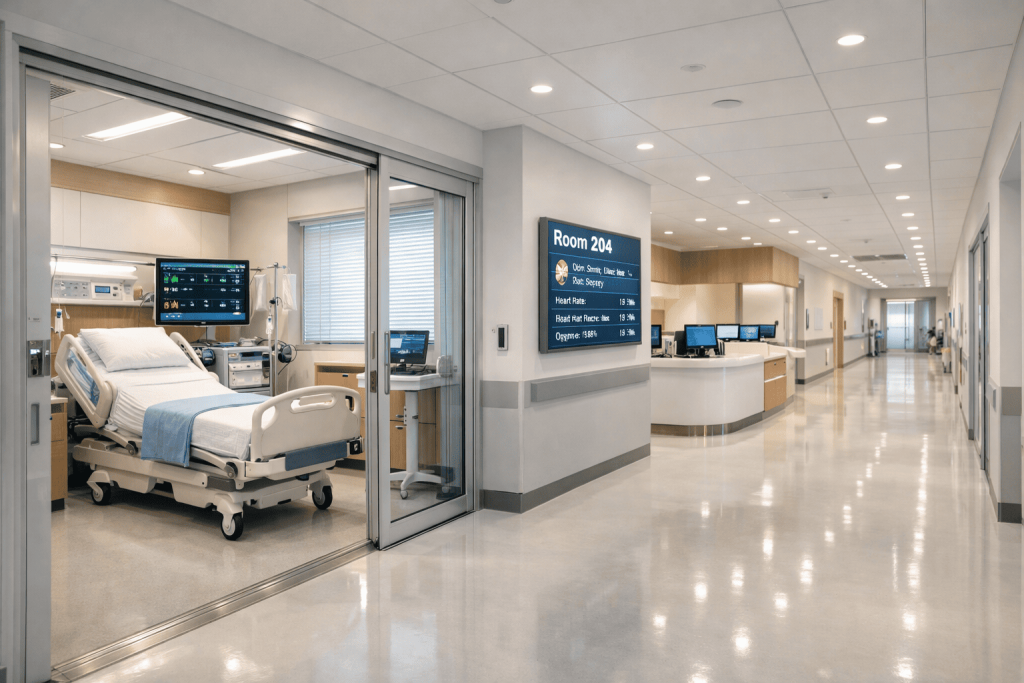
Modern healthcare facility infrastructure designed for safe and efficient patient care.
Healthcare facility infrastructure plays a critical role in delivering safe, efficient, and high-quality medical services. From hospitals and clinics to diagnostic centers and laboratories, well-planned infrastructure supports doctors, nurses, technicians, and patients alike. A strong healthcare infrastructure not only improves patient outcomes but also ensures smooth operations, regulatory compliance, and long-term sustainability.
In today’s rapidly evolving healthcare environment, infrastructure is no longer limited to buildings alone. It includes medical equipment, utilities, digital systems, safety standards, and patient-centric design. This article explores the importance, key components, and future trends of healthcare facility infrastructure.
What Is Healthcare Facility Infrastructure?
Healthcare facility infrastructure refers to the physical, technical, and operational systems that enable healthcare services to function effectively. It includes:
- Hospital and clinic buildings
- Medical and laboratory equipment
- Utility systems such as power, water, HVAC, and gas pipelines
- Infection control and safety systems
- Digital and IT infrastructure
- Furniture, storage, and workflow design
Together, these elements create an environment where healthcare professionals can deliver accurate diagnoses, effective treatments, and compassionate care.
Importance of Strong Healthcare Infrastructure
1. Improved Patient Safety and Comfort
A well-designed healthcare facility minimizes risks such as infections, accidents, and equipment failure. Proper ventilation, clean water supply, emergency power backup, and ergonomic layouts directly impact patient safety and comfort.
2. Efficient Clinical Operations
Optimized infrastructure improves workflow for doctors and staff. Proper zoning of departments, smooth patient movement, and easy access to equipment reduce delays and increase productivity.
3. Compliance with Healthcare Standards
Healthcare facilities must follow strict regulations and accreditation standards. High-quality infrastructure ensures compliance with national and international healthcare guidelines.
4. Long-Term Cost Efficiency
Although initial investment may be high, durable infrastructure reduces maintenance costs, equipment downtime, and future renovation expenses.
Key Components of Healthcare Facility Infrastructure
1. Building Design and Layout
The layout of a healthcare facility should support efficient patient flow and staff operations. Important considerations include:
- Separate zones for OPD, IPD, diagnostics, and emergency care
- Clear signage and accessibility for patients
- Adequate space for future expansion
Modern healthcare buildings focus on natural lighting, noise reduction, and patient-friendly interiors.
2. Medical and Diagnostic Equipment
Advanced medical equipment is a core part of the healthcare infrastructure. This includes:
- Diagnostic machines (X-ray, CT, MRI, lab analyzers)
- Treatment equipment (ICU beds, operation theatre systems)
- Monitoring devices and emergency equipment
Proper installation, calibration, and maintenance are essential for accurate results and patient safety.
3. Utility and Support Systems
Reliable utilities ensure uninterrupted healthcare services. Key systems include:
- Power supply with generators and UPS
- HVAC systems for temperature and air quality control
- Medical gas pipeline systems
- Clean water supply and drainage
- Fire safety and alarm systems
These systems must be designed to operate continuously, even during emergencies.
4. Infection Control Infrastructure
Infection prevention is a top priority in healthcare facilities. Infrastructure plays a major role in:
- Isolation rooms and negative pressure areas
- Sterile operation theatres and cleanrooms
- Proper waste management and disposal systems
- Hand hygiene stations and antimicrobial surfaces
Effective infection control protects both patients and healthcare workers.
5. Digital and IT Infrastructure
Modern healthcare facilities rely heavily on digital systems, such as:
- Hospital Information Systems (HIS)
- Electronic Medical Records (EMR)
- Telemedicine platforms
- Data security and network systems
A strong IT infrastructure improves data accuracy, communication, and patient management.
6. Furniture and Storage Solutions
Healthcare-specific furniture enhances efficiency and hygiene. This includes:
- Hospital beds and patient furniture
- Laboratory workstations and storage cabinets
- Nursing stations and modular furniture
- Stainless steel storage for sterile environments
Ergonomic and durable furniture supports staff productivity and patient comfort.
Challenges in Healthcare Facility Infrastructure
Despite its importance, developing healthcare infrastructure comes with challenges:
- High capital investment
- Space limitations in urban areas
- Rapid technological changes
- Regulatory and compliance requirements
- Maintenance and operational costs
Addressing these challenges requires careful planning, expert consultation, and long-term vision.
Future Trends in Healthcare Infrastructure
1. Smart and Digital Hospitals
The future of healthcare infrastructure lies in smart systems, including automation, IoT-enabled devices, and AI-driven diagnostics.
2. Modular and Scalable Designs
Modular infrastructure allows quick expansion and customization, especially useful for laboratories, diagnostic centers, and emergency facilities.
3. Sustainable and Green Healthcare Facilities
Energy-efficient buildings, eco-friendly materials, and water conservation systems are becoming standard in modern healthcare infrastructure.
4. Patient-Centric Design
Healthcare facilities are increasingly designed around patient experience, focusing on comfort, privacy, and emotional well-being.
Conclusion
Healthcare facility infrastructure is the backbone of effective medical care. It supports clinical excellence, ensures patient safety, and enables healthcare providers to work efficiently. From building design and equipment to utilities and digital systems, every element plays a vital role in delivering quality healthcare services.
Investing in well-planned, modern, and scalable healthcare infrastructure is essential for hospitals, clinics, and diagnostic centers aiming to meet today’s healthcare demands and prepare for the future. A strong infrastructure not only saves lives but also builds trust, efficiency, and long-term success in the healthcare sector.