Integrated infrastructure services combining electrical, HVAC, IT, and safety systems for efficient and future-ready facilities.
In today’s fast-moving world, organizations need infrastructure that is efficient, scalable, and reliable. From laboratories and hospitals to manufacturing units, commercial buildings, and research centers, infrastructure plays a critical role in daily operations. This is where Integrated Infrastructure Services come in. Instead of managing multiple vendors and systems separately, integrated services bring everything together under one coordinated solution, saving time, cost, and effort while improving performance and safety.
What Are Integrated Infrastructure Services?
Integrated infrastructure services refer to a comprehensive approach where multiple infrastructure components, such as electrical systems, HVAC, plumbing, safety systems, IT networks, laboratory utilities, and civil work, are planned, designed, executed, and maintained as a single, unified solution.
Rather than treating each service as a standalone element, integration ensures that all systems work together seamlessly. This approach reduces conflicts, improves efficiency, and creates a more sustainable and future-ready facility.
Why Integrated Infrastructure Matters Today
Modern facilities are more complex than ever. A laboratory requires precise airflow control, stable power supply, gas pipelines, safety systems, and cleanroom standards. Hospitals need uninterrupted power, medical gas systems, infection control, HVAC, and specialized equipment layouts. Industrial facilities demand robust electrical systems, ventilation, automation, and compliance with safety regulations.
Managing these elements separately can lead to delays, higher costs, coordination issues, and operational risks. Integrated infrastructure services solve these problems by offering a single point of responsibility and a well-coordinated execution strategy.
Key Components of Integrated Infrastructure Services
1. Planning and Design
The foundation of any successful infrastructure project lies in proper planning and design. Integrated service providers analyze operational needs, space utilization, regulatory requirements, and future expansion plans. This ensures that the infrastructure is not only functional today but also adaptable for tomorrow.
2. Electrical and Power Systems
Reliable power is essential for every facility. Integrated services include electrical distribution, lighting systems, backup power solutions like UPS and generators, and energy-efficient designs that reduce operational costs while ensuring uninterrupted operations.
3. HVAC and Ventilation Systems
Heating, ventilation, and air conditioning systems are crucial for comfort, safety, and process control. In specialized environments like laboratories and hospitals, HVAC systems also help maintain air quality, pressure control, and temperature stability.
4. Plumbing and Utility Services
Water supply, drainage, gas pipelines, and specialized utilities are carefully designed and installed to meet operational needs while ensuring safety and compliance with standards.
5. IT and Communication Infrastructure
Modern infrastructure depends heavily on digital connectivity. Integrated services include structured cabling, data networks, access control, surveillance systems, and smart building technologies that enhance efficiency and security.
6. Safety and Compliance Systems
Fire detection, fire suppression, emergency exits, alarms, and monitoring systems are integrated into the overall infrastructure to ensure safety and meet regulatory requirements.
7. Turnkey Execution and Project Management
One of the biggest advantages of integrated infrastructure services is turnkey execution. From design to installation and commissioning, everything is managed by a single team. This reduces coordination issues, speeds up project completion, and ensures consistent quality.
Benefits of Integrated Infrastructure Services
Single Point of Responsibility
With one service provider managing all aspects of infrastructure, accountability becomes clear. This eliminates confusion and reduces the risk of delays or blame between multiple vendors.
Cost Efficiency
Integrated planning reduces duplication of work, avoids design conflicts, and minimizes rework. Bulk procurement and optimized execution further help in controlling costs.
Faster Project Delivery
When all systems are planned together, timelines are shorter. Parallel execution and improved coordination enable projects to be completed more quickly without compromising quality.
Improved System Performance
Integrated systems are designed to work together, leading to better performance, energy efficiency, and reliability over the long term.
Scalability and Future Readiness
Facilities built with integrated infrastructure can easily adapt to future expansions, technology upgrades, and changing operational requirements.
Industries That Benefit from Integrated Infrastructure Services
Laboratories and Research Facilities
Labs require precise coordination between HVAC, electrical systems, gas pipelines, safety equipment, and furniture. Integrated services ensure compliance with international standards and safe working environments.
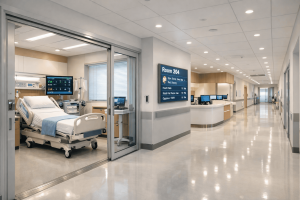
Hospitals and Healthcare Facilities
Healthcare infrastructure demands high reliability and safety. Integrated solutions support uninterrupted operations, patient safety, and regulatory compliance.
Industrial and Manufacturing Units
From heavy machinery to automation systems, integrated infrastructure supports efficient production, worker safety, and energy management.
Commercial and Institutional Buildings
Offices, educational institutions, and public buildings benefit from smart, energy-efficient, and well-coordinated infrastructure systems.
The Role of Technology in Integrated Infrastructure
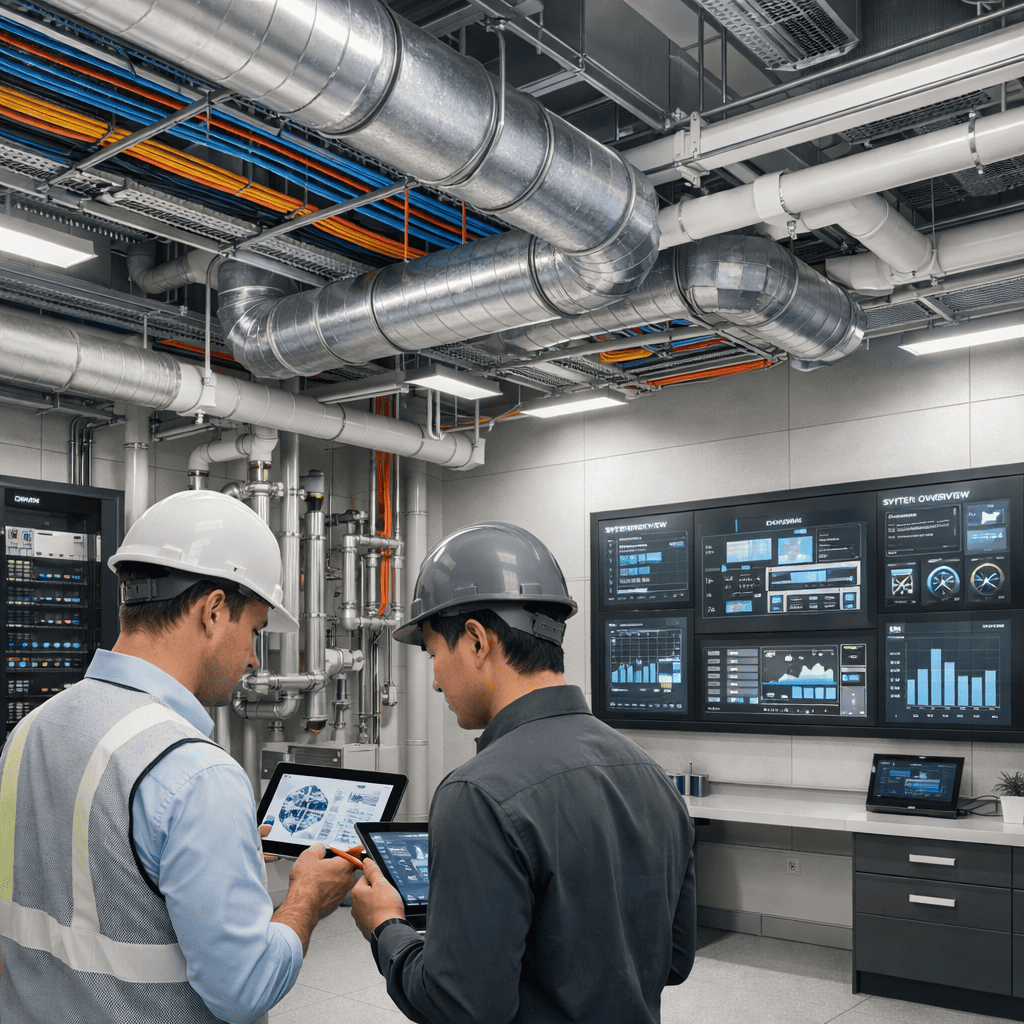
Technology plays a key role in modern integrated infrastructure services. Building Information Modeling (BIM), smart sensors, automation systems, and data-driven monitoring help optimize performance, reduce downtime, and improve maintenance planning. Smart infrastructure not only improves efficiency but also supports sustainability goals by reducing energy consumption and environmental impact.
Choosing the Right Integrated Infrastructure Partner
Selecting the right service provider is critical. Look for a partner with experience across multiple domains, a strong project management team, knowledge of regulatory standards, and a proven track record of delivering turnkey projects. A reliable partner will not only execute the project efficiently but also provide long-term support and maintenance.
Conclusion
Integrated infrastructure services are no longer a luxury; they are a necessity for modern facilities. By bringing together planning, design, execution, and maintenance under one coordinated approach, organizations can achieve better efficiency, lower costs, improved safety, and long-term sustainability.
Whether you are building a laboratory, hospital, industrial facility, or commercial space, investing in integrated infrastructure services ensures that your facility is smart, resilient, and ready for the future. With the right strategy and partner, integrated infrastructure becomes a powerful foundation for operational success and growth.