Ports and tunnels are two of the most transformative infrastructures shaping modern transportation and trade. As global commerce grows and nations work toward improving connectivity, the construction of ports and tunnels has become a cornerstone of economic development, maritime growth, and urban expansion. These engineering marvels are not only impressive in scale but also essential for ensuring the seamless movement of goods, people, and energy across regions. In this article, we explore how ports and tunnels are constructed, the challenges involved, the modern technologies driving these projects, and the significance they hold in global logistics and connectivity.
Understanding Ports: Gateways to Global Trade
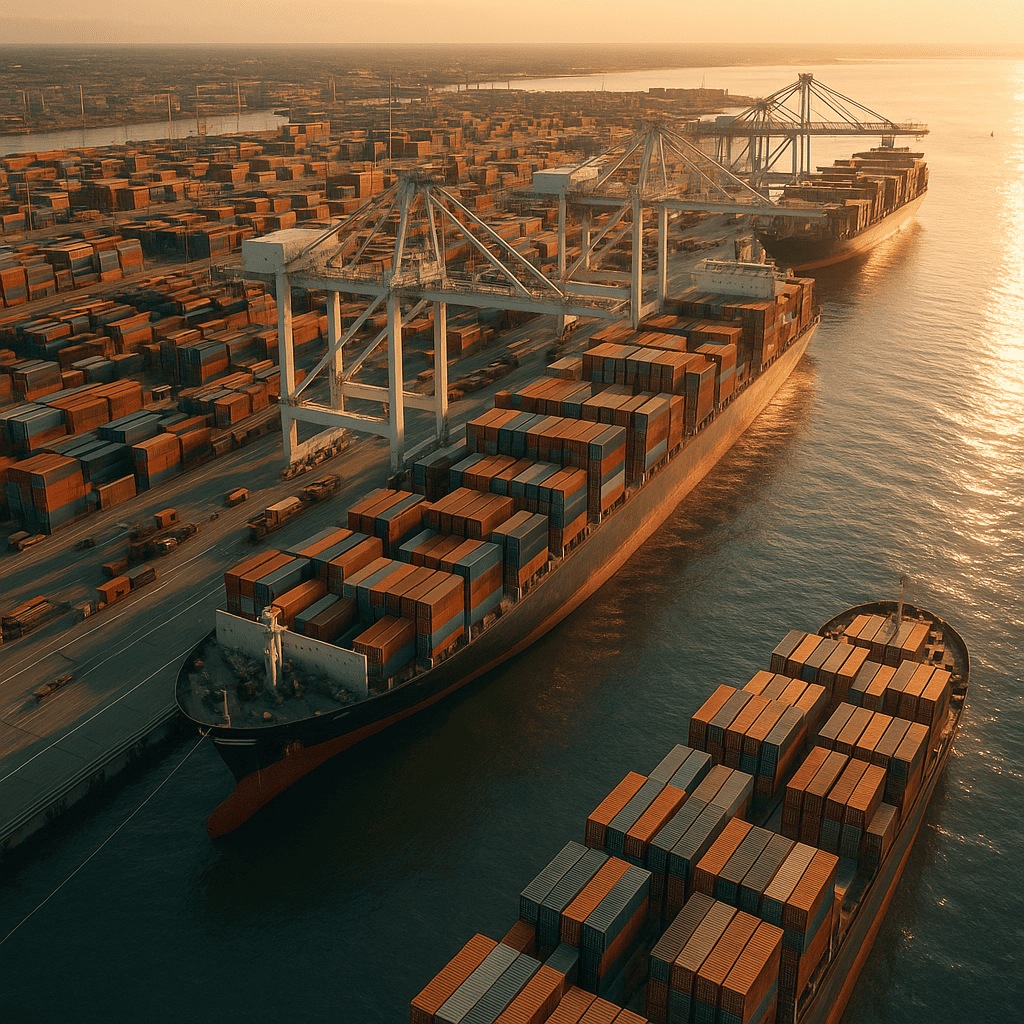
Ports serve as major hubs where cargo, ships, and passengers transfer between sea routes and inland transportation systems. A well-planned port can accelerate global trade, strengthen supply chains, and transform nearby regions into commercial powerhouses.
Key Components of Port Construction
Constructing a port requires a deep understanding of marine engineering, coastal environment, and heavy-duty logistics planning. Major elements include:
Harbour Basin & Berths
The harbour basin accommodates ships, while berths are built for docking, loading, or unloading. These structures must handle enormous weight and impact forces from large container vessels.
Breakwaters
Breakwaters protect the harbour from high tides and strong waves. Their construction involves rock placement, caissons, and concrete armour layers that ensure stability even during severe storms.
Cargo Terminals & Container Yards
Modern ports require spacious yards equipped with cranes, conveyors, and automated handling systems for efficient cargo movement.
Dredging Operations
Dredging deepens the seabed to allow large vessels to enter. This is a continuous activity in most ports to maintain depth and navigability.
Technologies Used in Port Construction
Advanced engineering has enabled ports to operate faster and more efficiently. Technologies include:
- Automated Gantry Cranes for faster container movement
- Simulation Software for Harbour Planning
- GPS-based navigation systems for docking
- AI-based cargo tracking & logistics management
Smart ports are now emerging worldwide, driven by AI, IoT sensors, and robotics to reduce downtime, speed up operations, and enhance security.
Tunnels: Engineering Pathways Beneath Land and Sea
Tunnels help transport goods, vehicles, railways, and utility pipelines through mountains, underwater regions, or congested urban landscapes. They are essential for reducing travel time and solving overcrowding in developing cities.
Applications of Tunnels
Tunnels are constructed for a range of purposes, including:
- Highway and Railway Transportation
- Hydropower Water Conveyance
- Metro & Rapid Transit Systems
- Oil and Gas Pipelines
- Utility and Communication Cable Routing
From the English Channel Tunnel to the Atal Tunnel in India, these structures showcase how engineering can overcome extreme geography and climate.
Construction Methods for Tunnels
Tunnel construction requires precision, safety, and advanced technology. The most commonly used methods include:
1. Tunnel Boring Machines (TBM)
These giant machines carve through earth and rock while simultaneously installing support segments. TBMs are ideal for long, deep tunnels in urban and mountainous areas.
2. New Austrian Tunneling Method (NATM)
NATM focuses on using the surrounding rock mass as a natural support structure. This reduces cost and speeds up construction in stable geology.
3. Cut-and-Cover Method
Used for shallow tunnels such as metros and underpasses. The surface is excavated, the tunnel is installed, and then the trench is refilled.
4. Immersed Tube Tunneling
Prefabricated tunnel segments are floated into the water and then sunk into a dredged trench. This method is widely used for underwater tunnels.
Challenges in Ports and Tunnels Construction
Despite the advancements, constructing ports and tunnels comes with significant challenges:
Environmental Concerns
Marine ecosystems can be disrupted during port construction. Tunnel excavation can impact groundwater flow. Sustainable design is essential to reduce ecological damage.
Geological Uncertainties
Unstable soil, rock fractures, and high water pressure can slow tunneling or cause collapse risks.
High Construction Costs
Both infrastructures require massive investment, heavy machinery, and skilled manpower.
Routine Maintenance
Ports require dredging, structure reinforcement, and upgraded handling equipment. Tunnels need ventilation, waterproofing, and regular structural inspections.
Economic & Social Benefits
The investment in ports and tunnels pays off significantly when executed well.
Benefits of Ports:
- Boosts international trade and exports
- Generates employment in logistics, warehousing, and shipping
- Supports coastal economic growth
- Enables foreign investment and global business expansion
Benefits of Tunnels:
- Reduces travel time and transportation costs
- Promotes interstate and cross-country connectivity
- Enables urban metro development and traffic decongestion
- Improves accessibility to remote, high-altitude, or water-locked regions
Together, ports and tunnels contribute to stronger economies, better transportation, and improved quality of life.
Future of Ports & Tunnels Construction
With demand for faster logistics and sustainable development increasing, future construction will focus on:
- Smart Ports with automation & AI-based operations
- Eco-friendly breakwater & dredging solutions
- Hyperloop-compatible tunnel systems
- Underwater mega tunnels and deep-sea ports
- Robotics in excavation and safety monitoring
The future promises innovation, efficiency, and sustainable engineering solutions that will reshape global connectivity.
Final Thoughts
Ports and tunnels are far more than physical structures; they are lifelines that drive trade, transport, and development. As countries expand their maritime trade and invest in rapid transport systems, the demand for advanced engineering will grow exponentially. From deep-sea ports to mountain tunnels, these projects will pave the way for an interconnected world where the movement of goods and people becomes faster, safer, and more efficient.