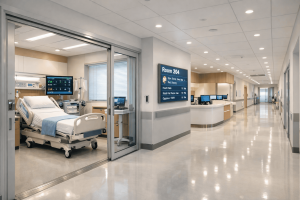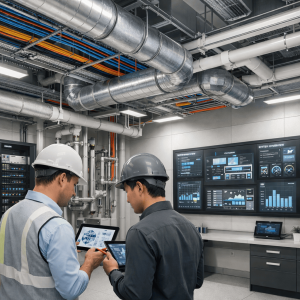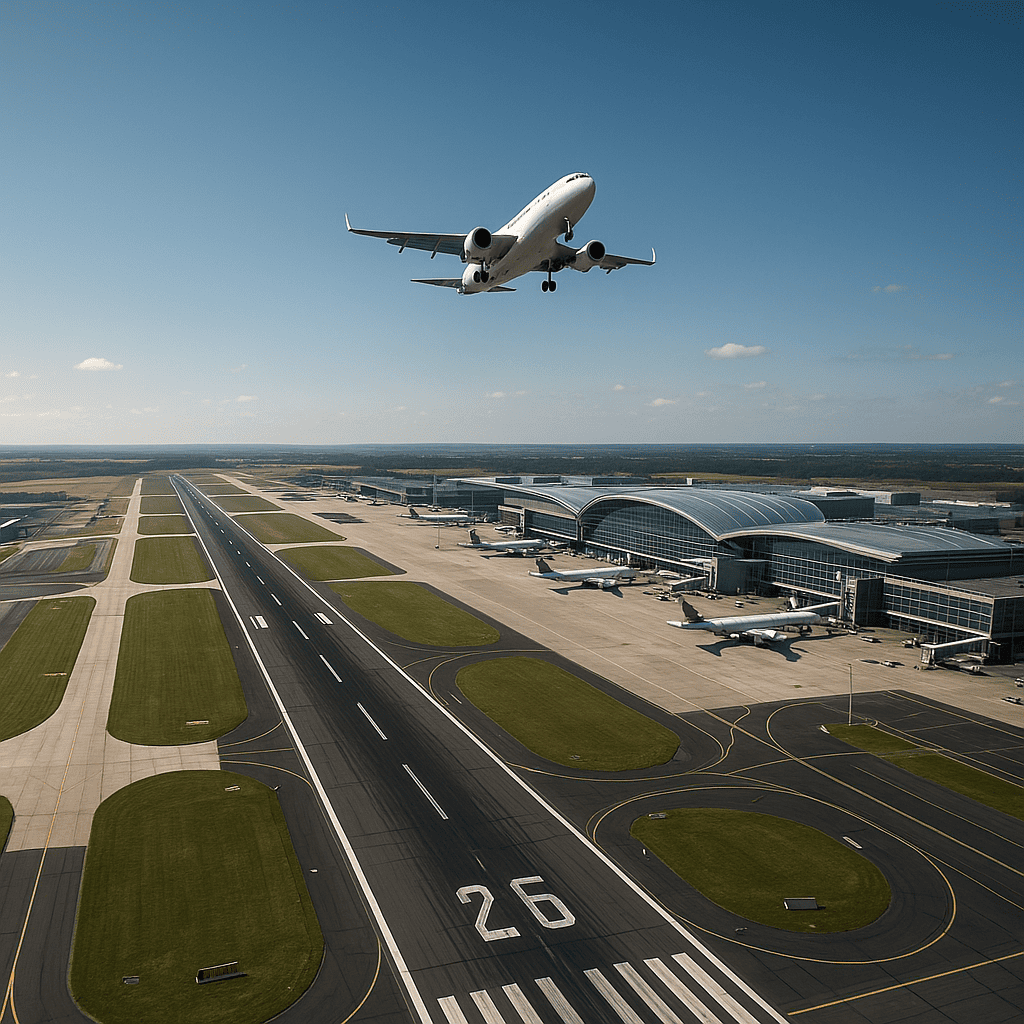
Modern aviation depends on smart infrastructure and the development of world-class airports is essential for supporting economic progress, travel, trade, and global mobility.
Airport and runway infrastructure form the backbone of global air transportation. As air traffic continues to grow across the world, the demand for safe, efficient, and technologically advanced airport facilities is higher than ever. From runway design and pavement quality to navigation systems, terminal buildings, hangars, and security processes, every component plays a crucial role in ensuring seamless operations. Modern airports are not just transportation hubs; they are complex ecosystems designed to support millions of passengers, thousands of flights, and extensive cargo movement each day.
1. Importance of Airport Infrastructure
Airport infrastructure is essential for economic growth, tourism, and international connectivity. A well-developed airport increases a region’s accessibility, attracts foreign investment, and boosts employment opportunities. It also supports critical services like disaster relief operations, medical transport, and global supply chains. With rising passenger demand, airports must continuously improve their facilities to maintain high safety standards and operational efficiency.
Modern airport infrastructure includes terminals, runways, aprons, taxiways, control towers, cargo facilities, parking areas, and various support systems. These elements must work together seamlessly to handle aircraft movements, passenger flow, and the logistical activities that keep the aviation system running smoothly.
2. Runway Infrastructure: The Heart of Airport Operations
Runways are the most crucial part of airport infrastructure. They are designed to accommodate aircraft takeoff and landing operations safely and efficiently. A runway must be engineered to handle the weight, speed, and tire pressure of modern aircraft, including wide-body jets and cargo planes.
a. Runway Design and Layout
Runway design depends on factors like wind direction, terrain, temperature, and expected aircraft traffic. Most runways are aligned with prevailing wind patterns to ensure safe takeoff and landing. They are also numbered based on magnetic orientation, making navigation easier for pilots.
Airports may have single, parallel, or intersecting runway systems depending on traffic volume. Large international airports often use dual or triple parallel runways to support simultaneous operations.
b. Runway Pavement Types
Runway pavement strength is essential for supporting repeated aircraft loads. Two primary pavement types are used:
- Flexible Pavement: Asphalt-based surface, more adaptable but requires periodic maintenance.
- Rigid Pavement: Concrete-based surface, highly durable and suitable for heavy aircraft, but expensive to construct.
The choice depends on climate, budget, and aircraft traffic levels.
c. Runway Safety Areas
Runway safety areas (RSAs) are mandatory open spaces surrounding runways, offering additional protection in case of aircraft overruns or undershoots. They significantly reduce accident risks and improve operational safety.
3. Taxiways, Aprons, and Supporting Structures
While runways handle takeoff and landing, taxiways and aprons ensure aircraft can move safely between different parts of the airport.
- Taxiways act as roads for aircraft, connecting runways with terminal gates, hangars, and parking bays.
- Aprons are areas where aircraft park for boarding, refueling, loading, and maintenance.
Efficient taxiway design reduces congestion, ground delays, and fuel consumption. Many modern airports now use rapid-exit taxiways to clear runways faster, thereby increasing capacity.
4. Navigation and Communication Systems
Airport and runway infrastructure rely heavily on advanced technology to maintain safe and consistent operations. Navigation and communication systems guide aircraft during landing, takeoff, and taxiing, even in low-visibility weather conditions.
Key technologies include:
- Instrument Landing System (ILS): Helps pilots land safely in fog or poor visibility.
- Runway Lighting Systems: Such as edge lights, centerline lights, and touchdown-zone lights.
- Air Traffic Control (ATC): Manages aircraft movement from the control tower using radar, GPS, and communication equipment.
- Surface Movement Radar (SMR): Tracks aircraft and vehicles on the ground.
These systems work together to improve landing accuracy, reduce pilot workload, and ensure safe runway operations.
5. Airport Terminals and Passenger Facilities
Modern terminals are designed to enhance passenger experience while supporting efficient airline operations. They include check-in counters, security checkpoints, boarding gates, baggage systems, lounges, restaurants, and retail areas.
Important terminal infrastructure includes:
- Automated check-in kiosks for faster processing
- Advanced baggage-handling systems with scanners and conveyors
- Passenger boarding bridges that connect terminals to aircraft
- Immigration and customs clearance zones for international travel
- Security screening areas equipped with modern scanners and surveillance
- Special zones like VIP lounges, medical centers, and duty-free shops
The design of terminals emphasizes comfort, safety, and smooth passenger flow.
6. Cargo Infrastructure and Logistics
Air cargo is a major component of global trade, and airports serve as critical logistics hubs. Cargo infrastructure includes warehouses, cold storage units, customs inspection zones, loading equipment, and dedicated cargo aprons.
Efficient cargo handling reduces turnaround times and ensures goods from e-commerce packages to medical supplies reach their destinations on time.
7. Sustainability in Airport & Runway Development
Environment-friendly infrastructure is becoming a global priority. Airports are adopting sustainable practices such as:
- Solar-powered energy systems
- LED lighting for runways and taxiways
- Rainwater harvesting
- Electric ground support vehicles
- Green building certifications (LEED, GRIHA)
- Noise reduction programs
These initiatives reduce carbon emissions and operational costs, contributing to cleaner, greener aviation.
8. Challenges in Airport Infrastructure Development
Building airport and runway infrastructure involves challenges like:
- High construction and maintenance costs
- Environmental regulations
- Land acquisition issues
- Weather impacts on pavement
- Noise pollution concerns
- Rapidly changing aviation technologies
Despite these challenges, governments and private developers continue to invest in airport modernization to support economic growth and global connectivity.
Conclusion
Airport and runway infrastructure form the foundation of the aviation industry. From well-designed runways and taxiways to advanced terminal facilities and navigation systems, every element contributes to safe, reliable, and efficient air travel. As technology evolves and air traffic increases, continuous upgrades and sustainable practices will ensure airports remain capable, resilient, and future-ready.
Modern aviation depends on smart infrastructure, and the development of world-class airports is essential for supporting economic progress, travel, trade, and global mobility.